

Hear from Our Customers
Most mold problems start where you can’t see them. Behind walls. Under floors. In crawl spaces that haven’t been checked in years. By the time it’s visible, it’s been growing for a while.
Professional mold testing gives you the full picture. Not just surface-level guessing, but lab-confirmed results that show what type of mold is present, how much of it there is, and whether your indoor air quality is actually safe. That matters if anyone in your house deals with allergies, asthma, or respiratory issues that won’t go away.
You also protect your property value. Untreated mold can drop your home’s worth by 20 to 37 percent. A black mold test or residential mold testing catches problems early, before they turn into expensive removal projects or become a dealbreaker during a sale. Knowing what’s there means you can act on it before it gets worse.
We’ve been helping homeowners in Glenlake, PA and throughout Bucks County handle mold problems the right way. We’re not new to this area or the issues that come with it.
Homes here deal with humid summers, older construction, basements that trap moisture, and ventilation systems that weren’t built for today’s standards. We’ve seen it all. Our team uses EPA-approved methods, certified inspectors, and equipment that finds mold even when it’s hidden. We don’t guess. We test, confirm, and give you results you can actually use.
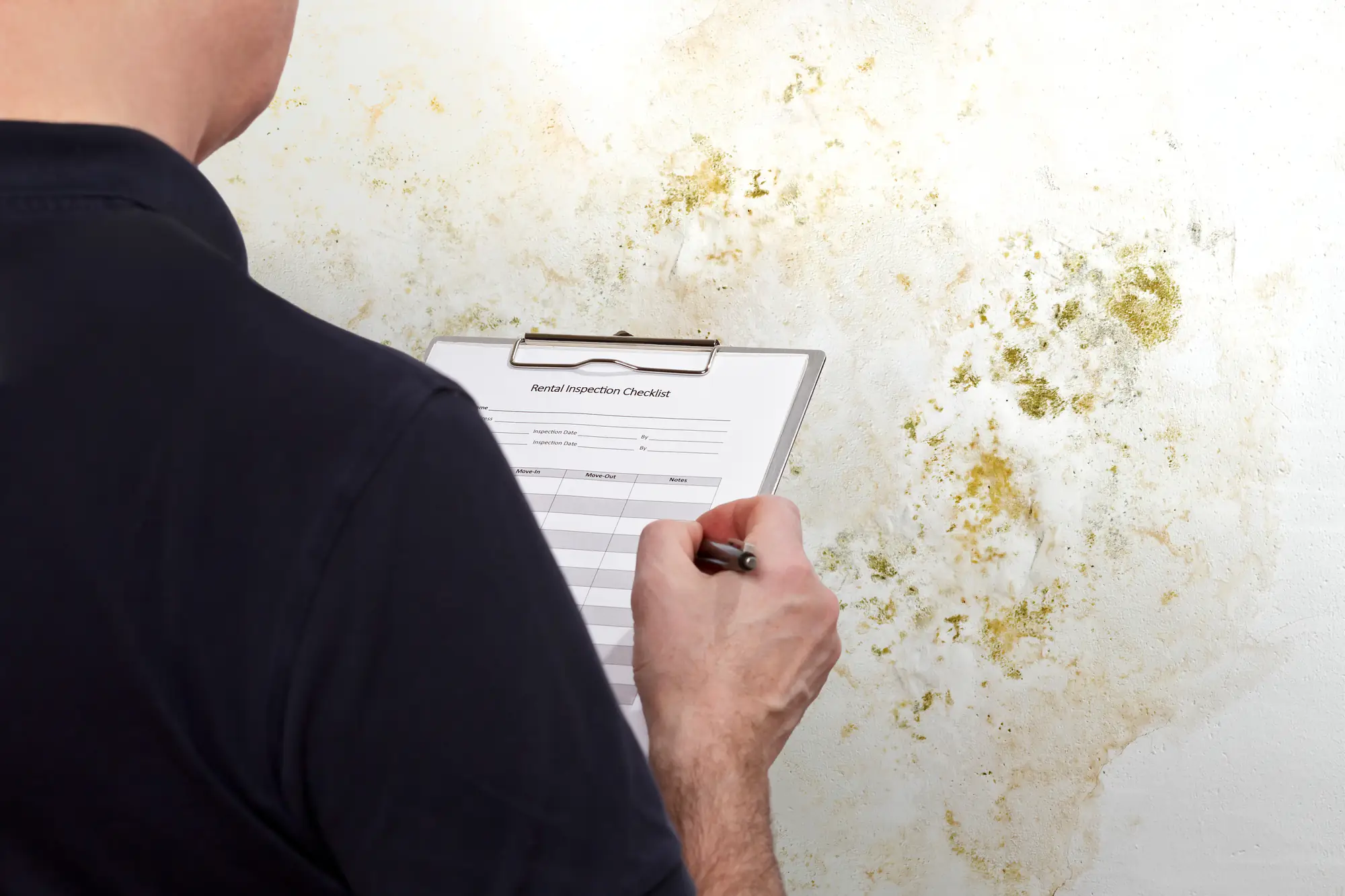
We start with a free inspection of your property. That means walking through your home, checking the obvious spots and the ones most people miss. Wall cavities. Attics. Basements. Anywhere moisture could be sitting unnoticed.
If we find visible mold or conditions that suggest hidden growth, we collect samples. Air samples test what’s circulating through your home. Surface samples confirm what’s growing on walls, floors, or ceilings. Those samples go to a certified lab for analysis.
You get a full report that breaks down what was found, where it was found, and what it means for your health and your home. If mold is present, we’ll explain the best way to remove it and fix whatever caused it in the first place. Leaks, humidity, poor airflow—we address the source so it doesn’t come back in a few weeks.
Ready to get started?
You get a thorough inspection of your entire property, not just the room where you noticed a problem. Mold doesn’t stay in one place. Our mold check professionals examine basements, bathrooms, kitchens, attics, and any area with plumbing or ventilation.
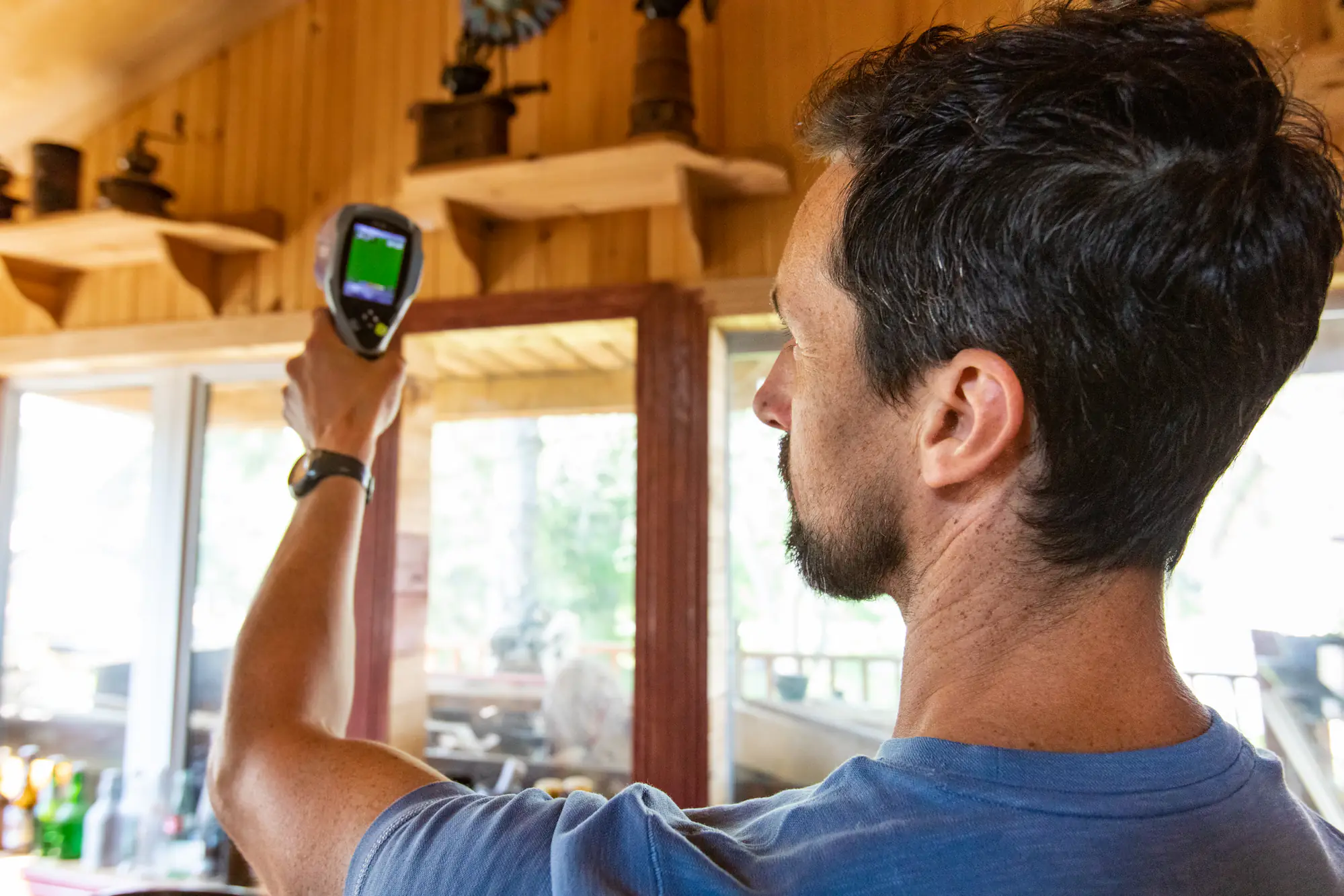
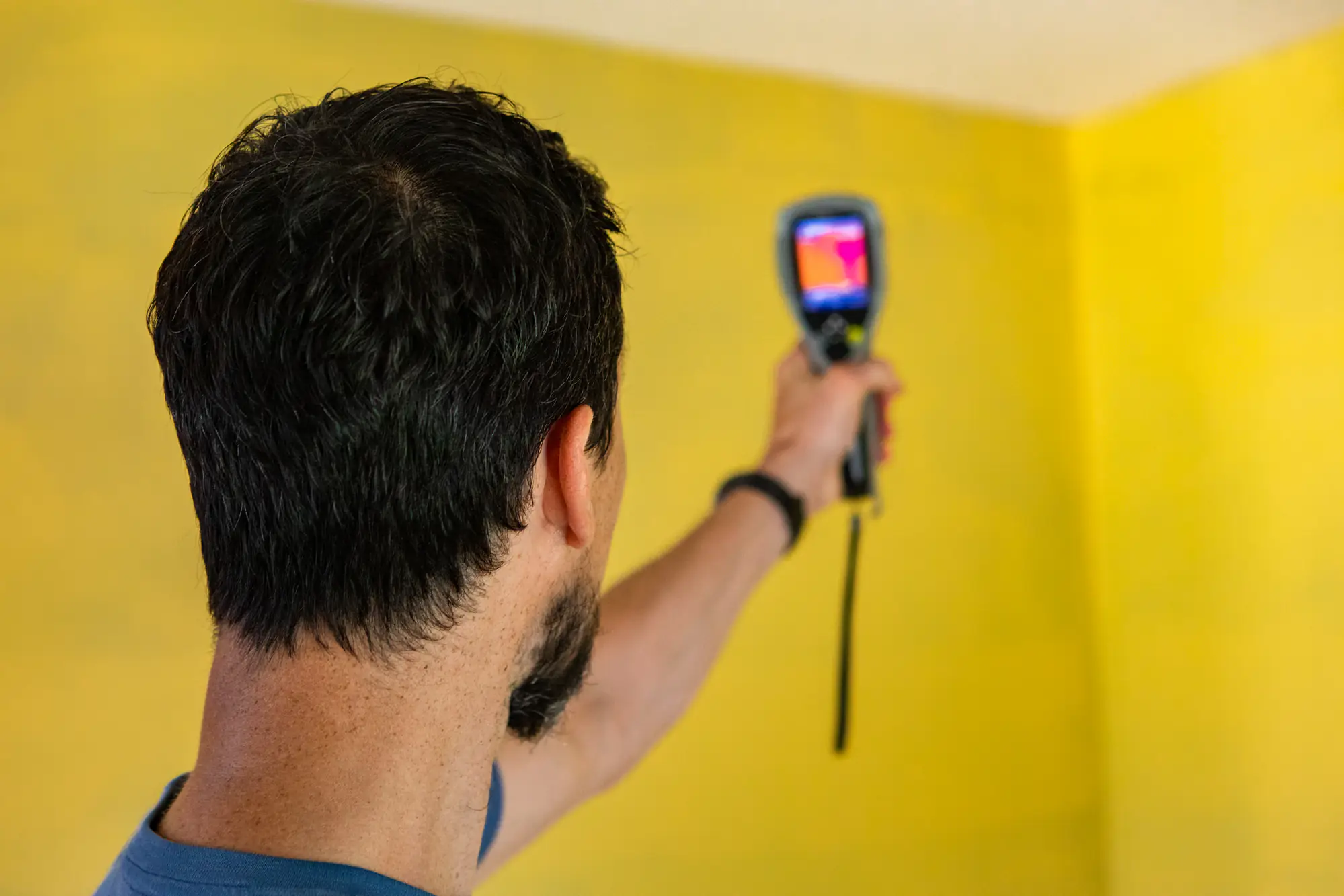
We use moisture meters and thermal imaging to detect hidden water damage. High moisture levels mean mold is either there or on its way. Catching it early saves you from tearing out drywall or replacing insulation later.
Air quality testing shows what’s floating around your home. Even if you don’t see mold, spores can still be in the air affecting how you feel every day. Surface testing confirms the type of mold present so we know how to treat it. Some molds are more aggressive than others. Black mold, for example, requires a different approach than surface mildew.
In Glenlake, PA and surrounding Bucks County areas, older homes with brick basements and plaster walls are common. These materials hold moisture differently than modern construction. We factor that in. We also know that homes near wooded areas or with poor grading deal with water intrusion more often. Local knowledge matters when you’re trying to figure out why mold keeps coming back.
If you can see mold growing on your walls, ceiling, or floors, you probably don’t need testing to confirm it’s there. You need removal. Testing makes sense when you smell something musty but can’t find the source, when someone in your home has unexplained respiratory symptoms, or when you’re buying or selling a property and want documentation.
Testing also matters if you’ve had water damage and want to confirm whether mold started growing as a result. Insurance claims, legal disputes, or real estate transactions often require certified mold test results. In those cases, a professional mold testing company provides the documentation you need.
If you’re not sure, we’ll tell you during the free inspection. We’re not going to recommend testing if it’s obvious you just need remediation. But if there’s any question about what’s happening behind your walls or in your air, testing gives you a clear answer before you start ripping things apart.
Air testing measures mold spores floating through your home. We collect air samples from different rooms and send them to a lab. The lab counts how many spores are present and identifies the types. High spore counts mean mold is actively releasing particles into the air you’re breathing, even if you can’t see where it’s growing.
Surface testing takes samples directly from walls, floors, ceilings, or any material where mold is visible or suspected. We use swabs or tape to collect the sample, then send it for analysis. This confirms what type of mold is growing and how aggressive it is.
Most thorough inspections use both methods. Air testing shows whether your indoor air quality is compromised. Surface testing pinpoints the exact problem areas. Together, they give you the full picture. If you’re dealing with hidden mold or trying to figure out why allergies are worse at home, air testing is critical. If you see discoloration or water stains, surface testing confirms whether it’s mold or just dirt.
The inspection itself usually takes one to two hours depending on the size of your home and how many areas need checking. We’re not rushing through it. We’re looking in crawl spaces, behind appliances, inside closets—anywhere moisture could be hiding.
Sample collection adds another 30 minutes or so. Once samples are collected, they go to a certified lab for analysis. Lab results typically come back within three to five business days. You’ll get a detailed report that breaks down what was found, where it was found, and what the spore counts mean for your home.
If it’s an urgent situation—like you’re closing on a house or dealing with a health issue—some labs offer expedited testing for an additional fee. We’ll walk you through that option if timing matters. Once you have results, we can usually start remediation within a day or two if mold is confirmed. We don’t make you wait weeks to fix a problem that’s affecting your home right now.
It depends on what caused the mold. If mold resulted from a sudden, accidental event—like a burst pipe or storm damage—most homeowners insurance policies will cover testing and remediation. If mold developed slowly over time due to poor maintenance, high humidity, or an old leak you didn’t fix, coverage is less likely.
Insurance companies often require proof that mold resulted from a covered event. That’s where certified mold inspection and testing comes in. A professional report documents what’s there, how extensive it is, and whether it’s connected to a specific incident. We work with insurance companies regularly and can help you navigate the claims process.
Even if insurance doesn’t cover testing, catching mold early almost always costs less than waiting. A few hundred dollars for testing now can save you thousands in removal and repairs later. We offer competitive pricing and can walk you through what to expect cost-wise during your free inspection. We’re not going to surprise you with hidden fees or push services you don’t need.
You can buy DIY mold test kits at hardware stores. They’re cheap and they’ll tell you if mold spores are present. The problem is, mold spores are present in almost every home. What matters is the type of mold, the concentration, and where it’s growing. DIY kits don’t give you that level of detail.
Professional mold testing uses lab analysis to identify specific mold species and measure spore counts against safe indoor air quality standards. We also use equipment you don’t have access to—moisture meters, thermal imaging cameras, and tools that detect mold behind walls without tearing anything apart. A home test kit can’t do that.
If you’re trying to figure out whether a problem is serious, whether it’s affecting your health, or whether you need remediation, professional testing is worth it. You get accurate results, a clear explanation of what they mean, and a plan for fixing the problem. If you’re just curious and don’t have any symptoms or visible issues, a DIY kit might be fine. But if you’re dealing with something that’s impacting your life or your home’s value, don’t guess.
First, don’t panic. Mold is fixable. Once you know what you’re dealing with, you can address it the right way. The report will tell you what type of mold is present and how much of it there is. Some molds require full containment and removal. Others can be cleaned and treated without major construction.
We’ll walk you through the remediation process based on your specific results. That includes removing contaminated materials, treating affected areas with EPA-approved solutions, fixing the moisture source, and retesting after remediation to confirm the problem is gone. We don’t just scrub the surface and call it done. We find out why mold grew in the first place—whether it’s a leak, condensation, poor ventilation, or something else—and fix that too.
If your situation requires it, we’ll also help with insurance claims and provide documentation for real estate transactions. You’ll know exactly what’s happening at every step. Mold remediation isn’t fun, but it’s straightforward when you work with people who’ve done it hundreds of times. We’ve been handling mold problems in Glenlake and Bucks County for years. You’re not the first person dealing with this, and we know how to get your home back to normal.
Other Services we provide in Glenlake